1Unify before you automate
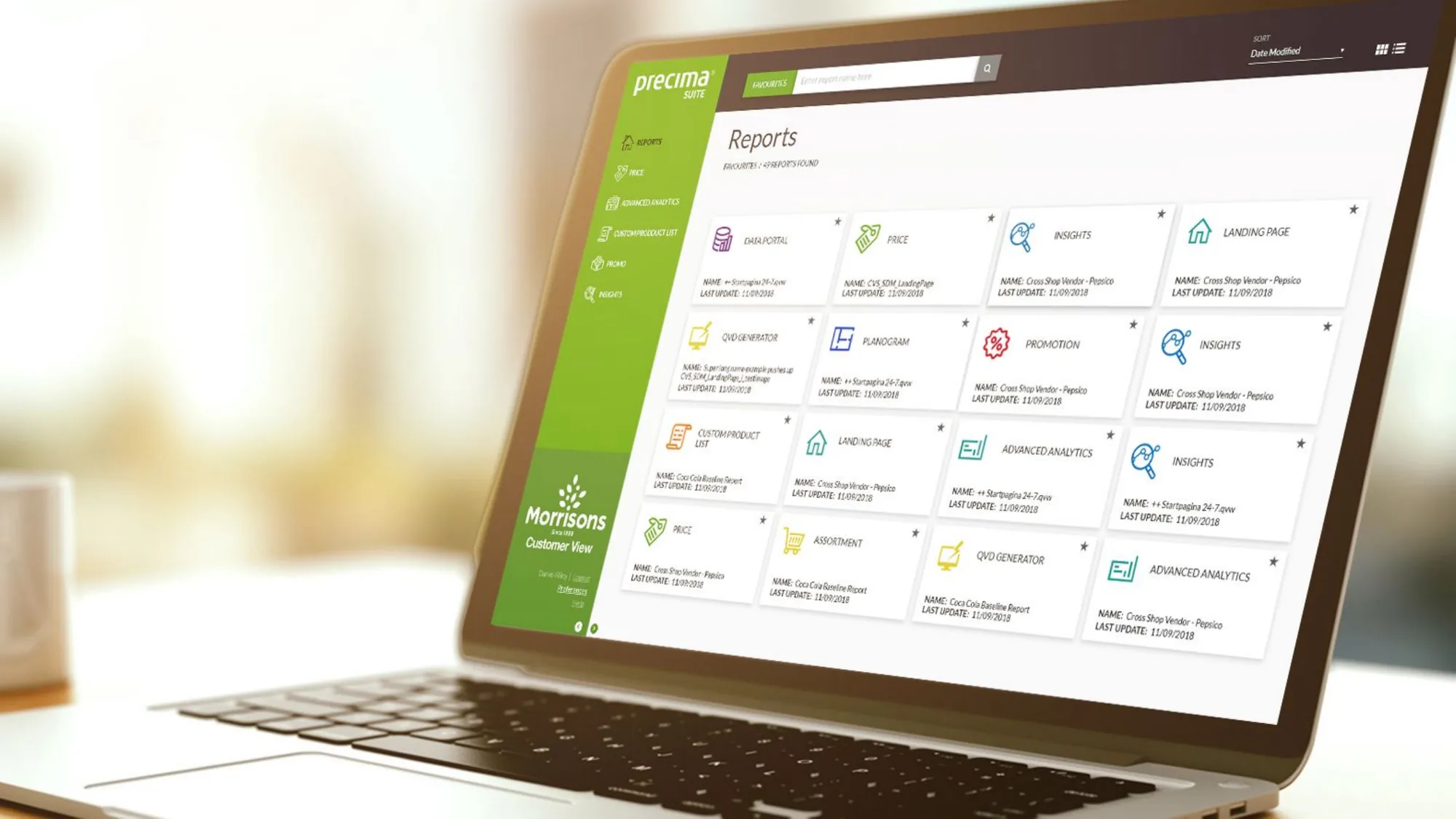
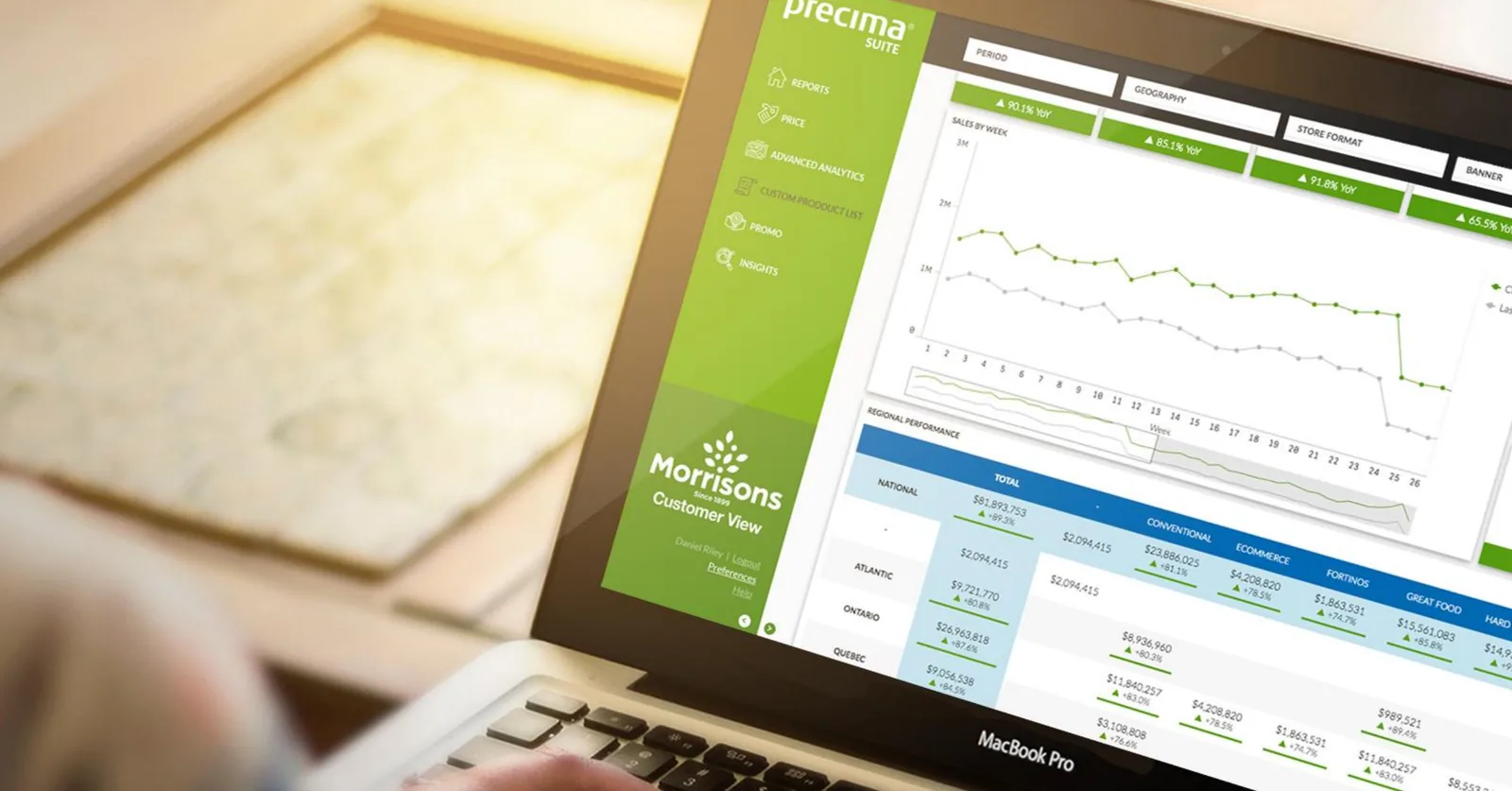
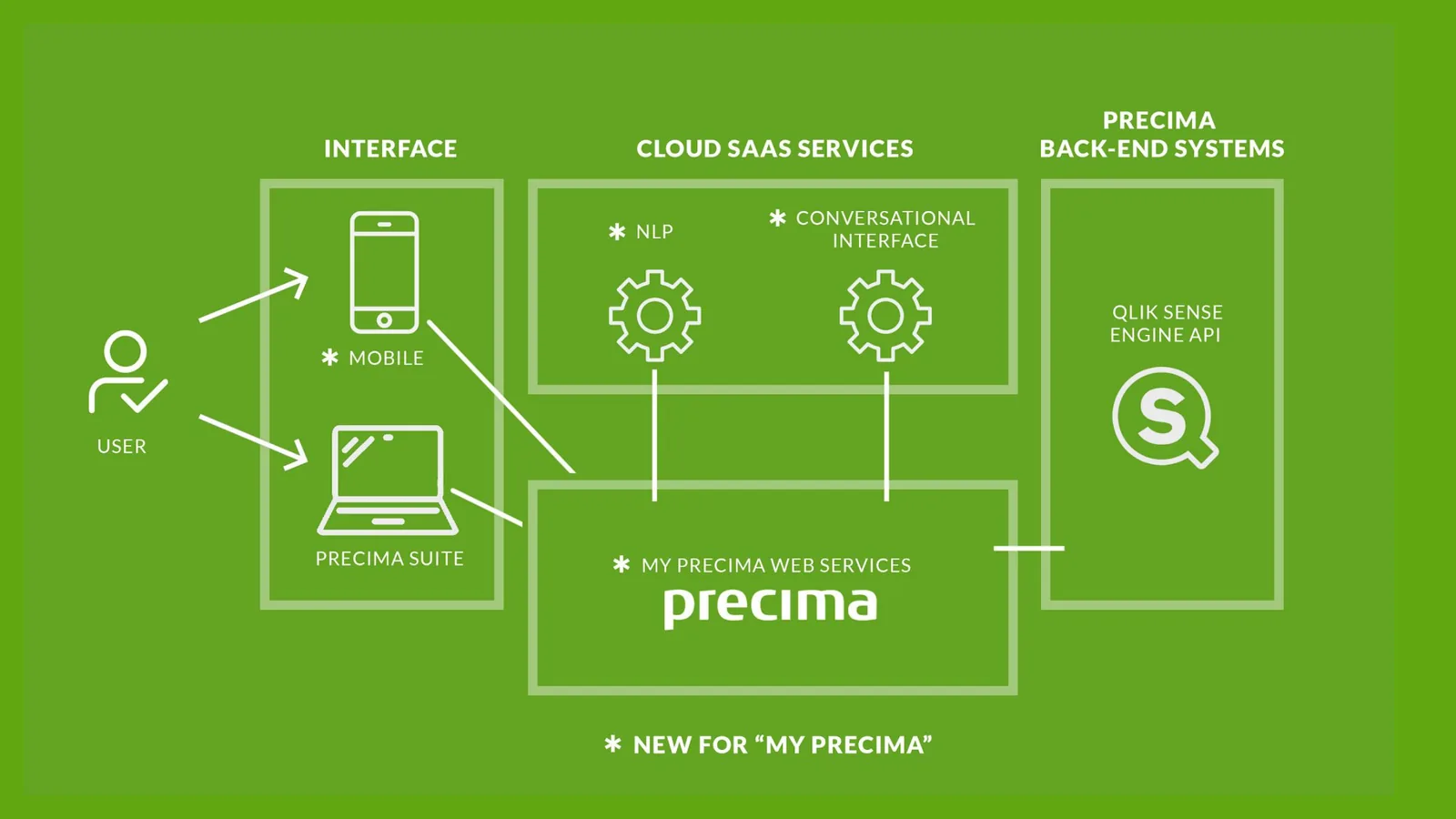
One suite with shared context across pricing, promotion and assortment came first. It shipped as the SaaS platform.
Why: an intelligent layer can’t read across tools that don’t share context. It was also the tactic I used internally to fund the bigger picture: integration gave clients a reason to buy the whole suite, and that revenue could pay for the centralized AI.
2Design for the people outside the tool
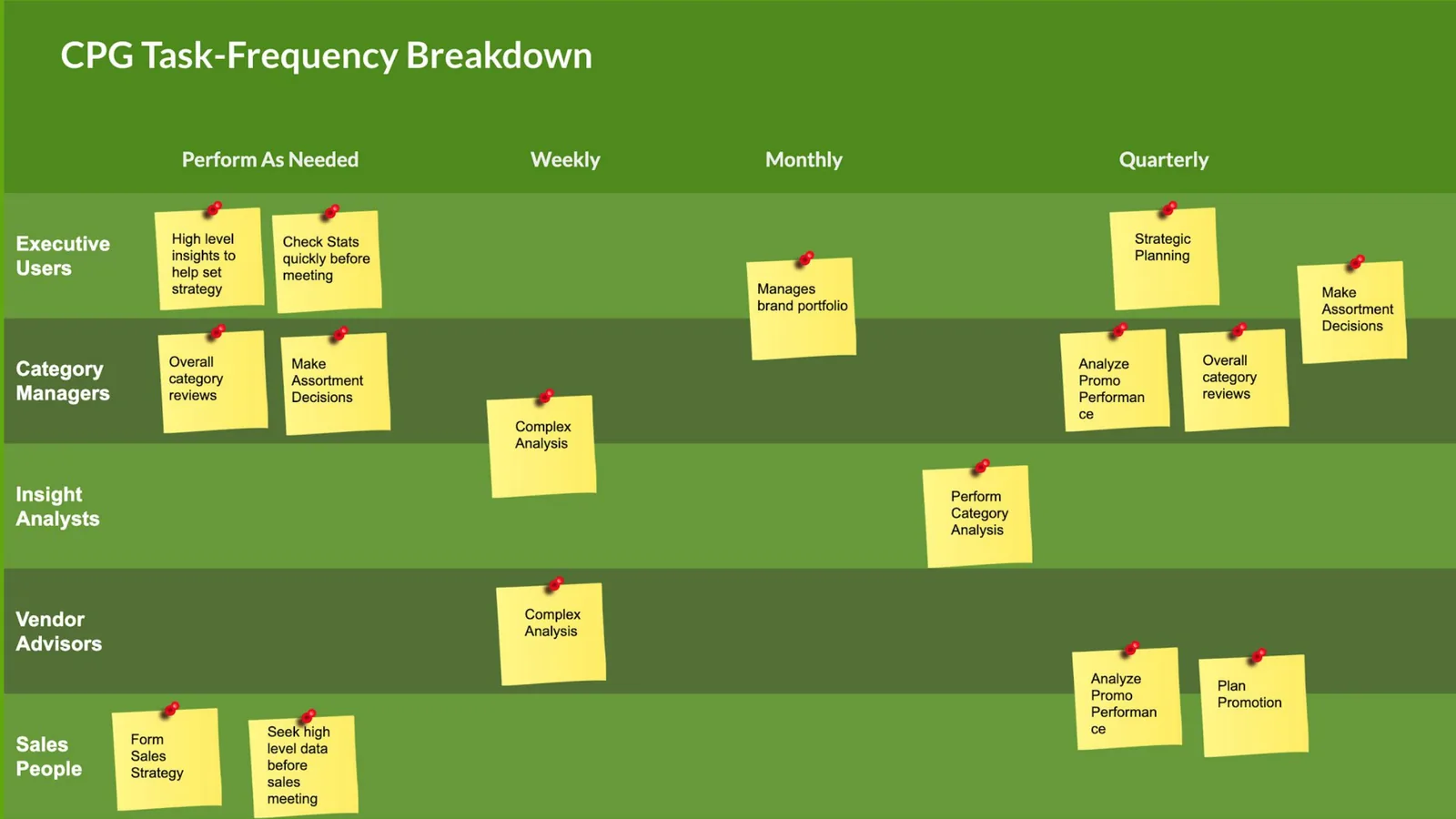
The target user became the decision-maker who never logged in: executives, category managers, merchants and sales teams.
Why: an analyst-only product capped adoption. The value was in the much larger audience the business had been serving through people.
3Put the sister levers on one screen
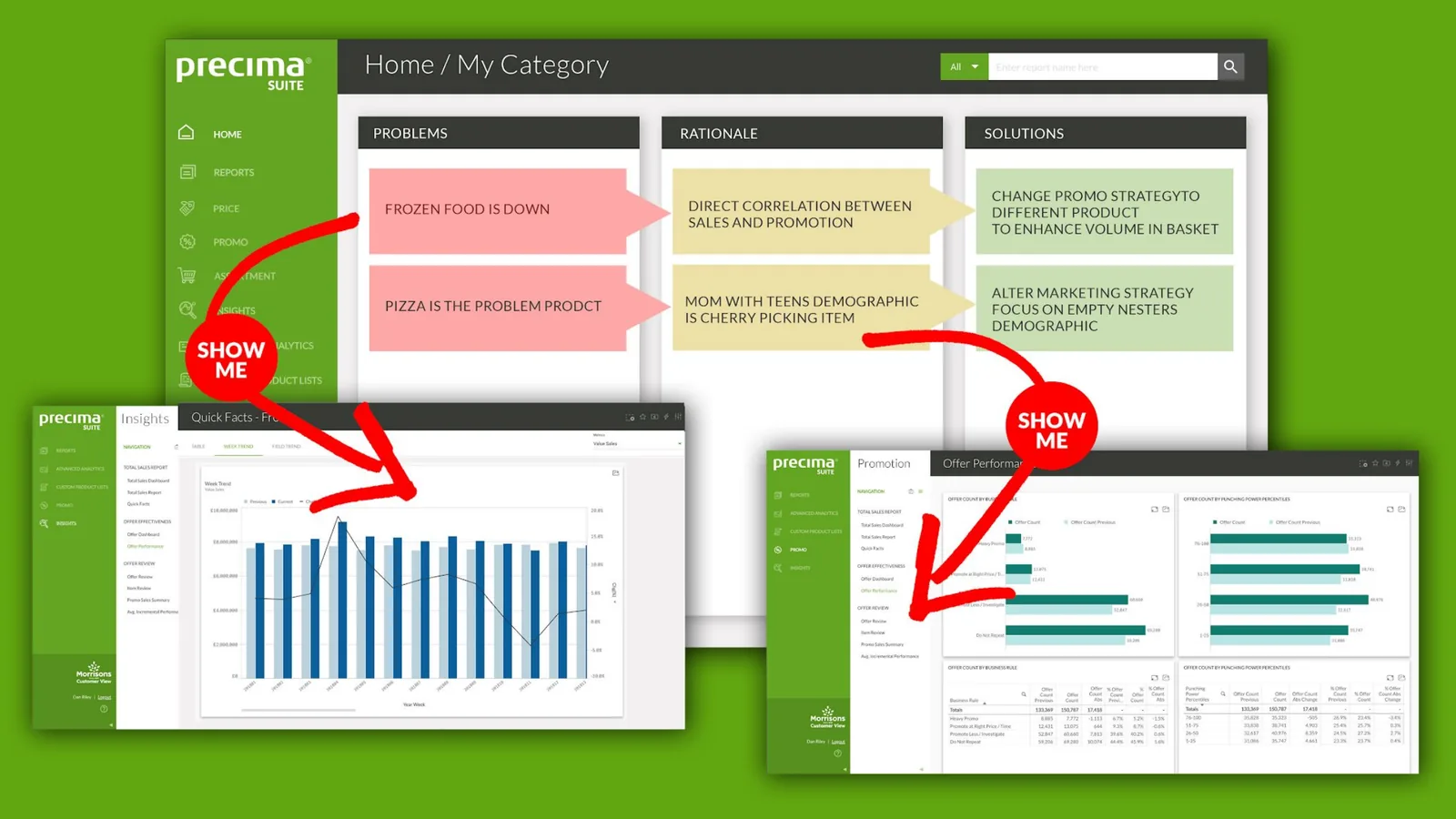
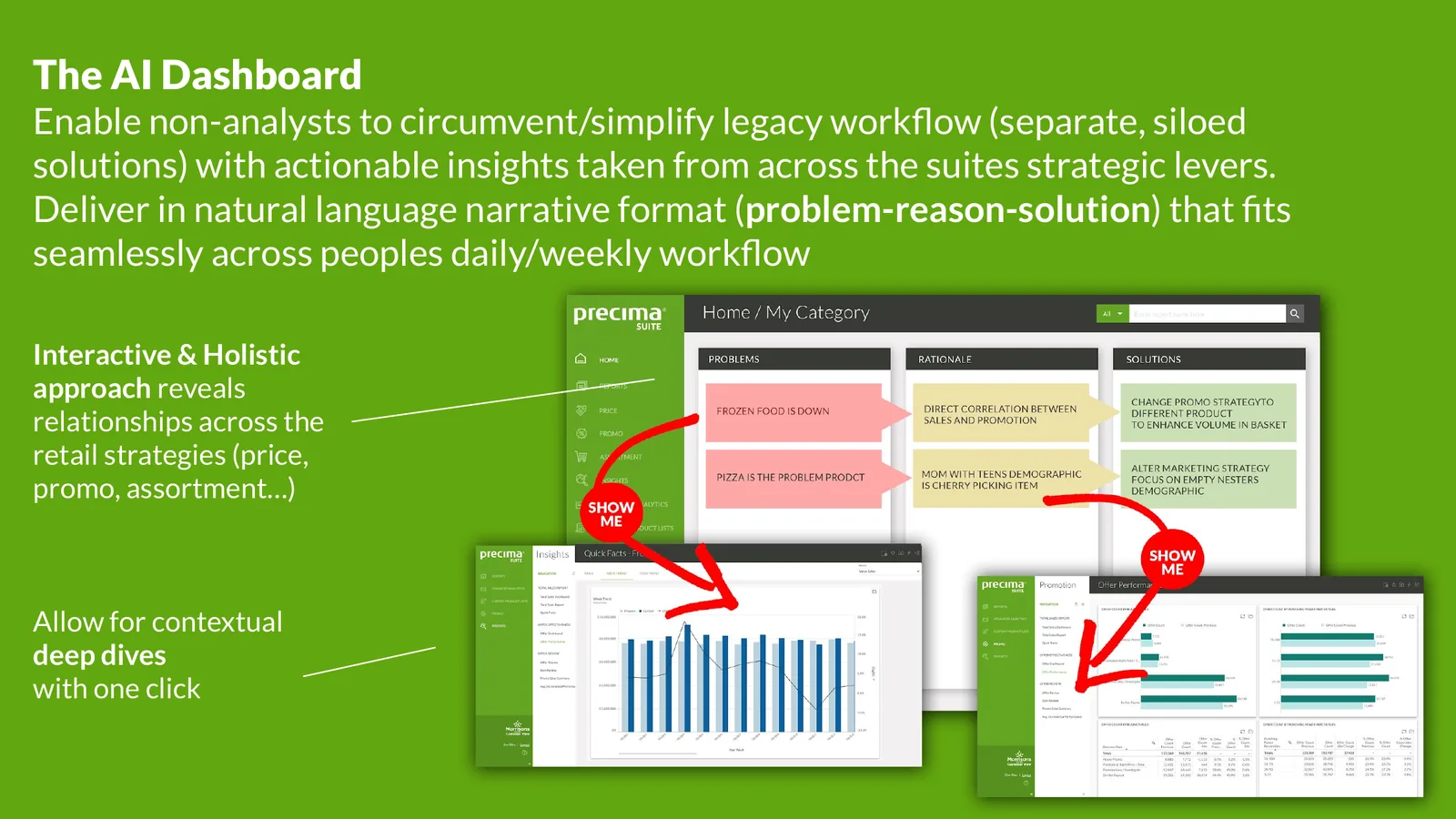
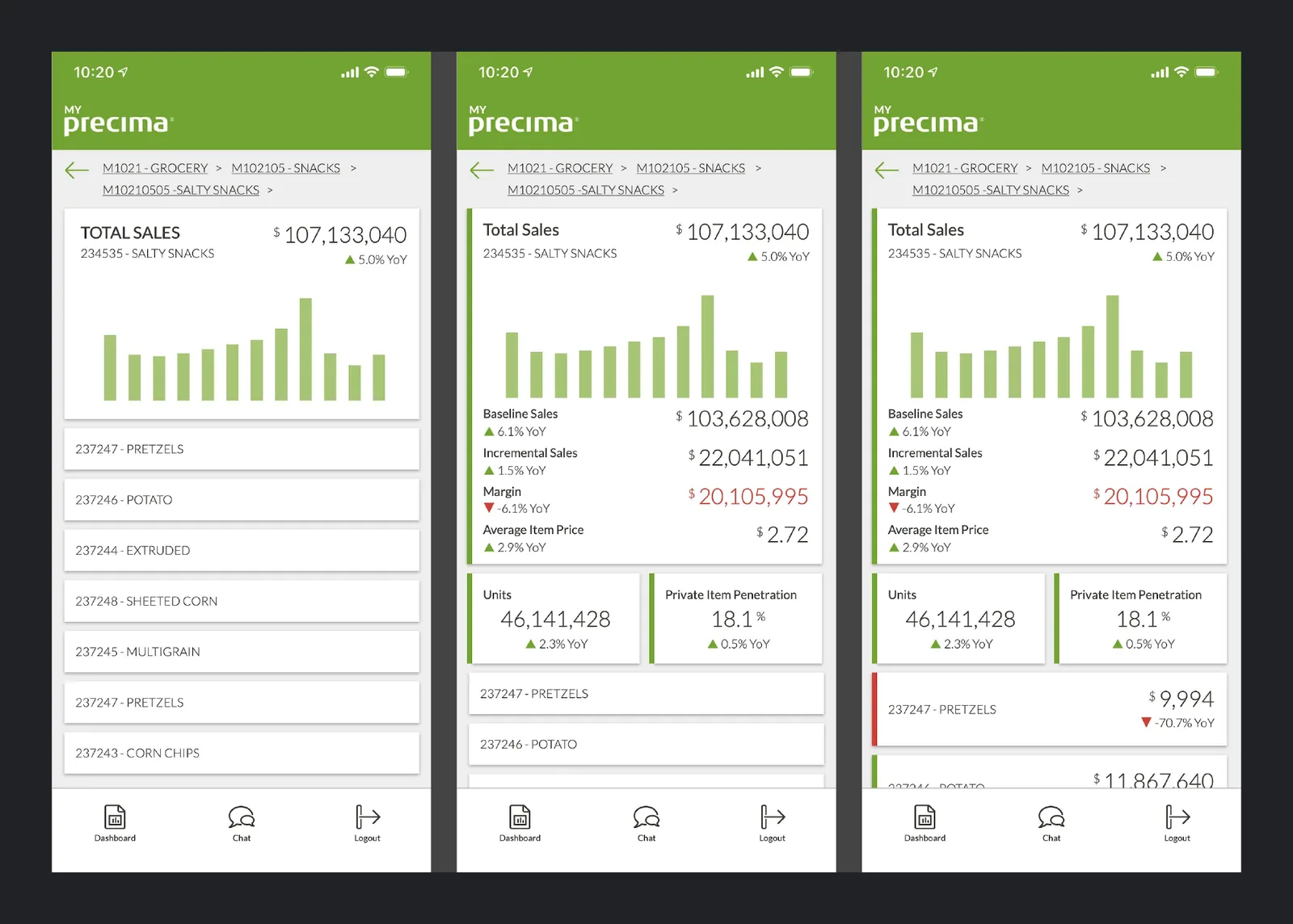
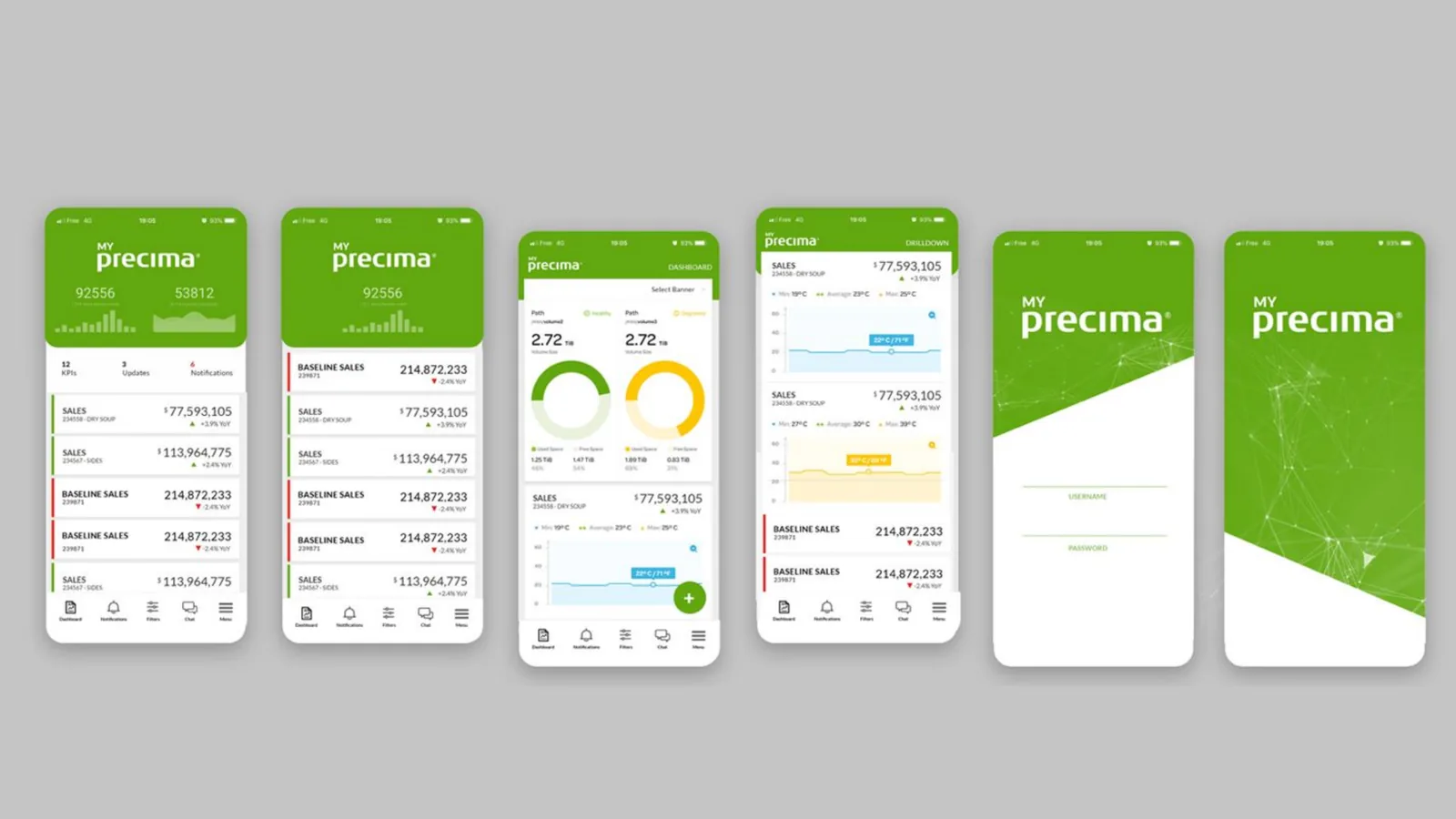
A single view that reads across strategic levers, shows each role what matters now, and opens the evidence in one click.
Why: pulling a lever in pricing moves promotion and assortment results, but siloed tools were blind to each other. The decision lives across them.
4Conversation as the interface, prescription as the destination
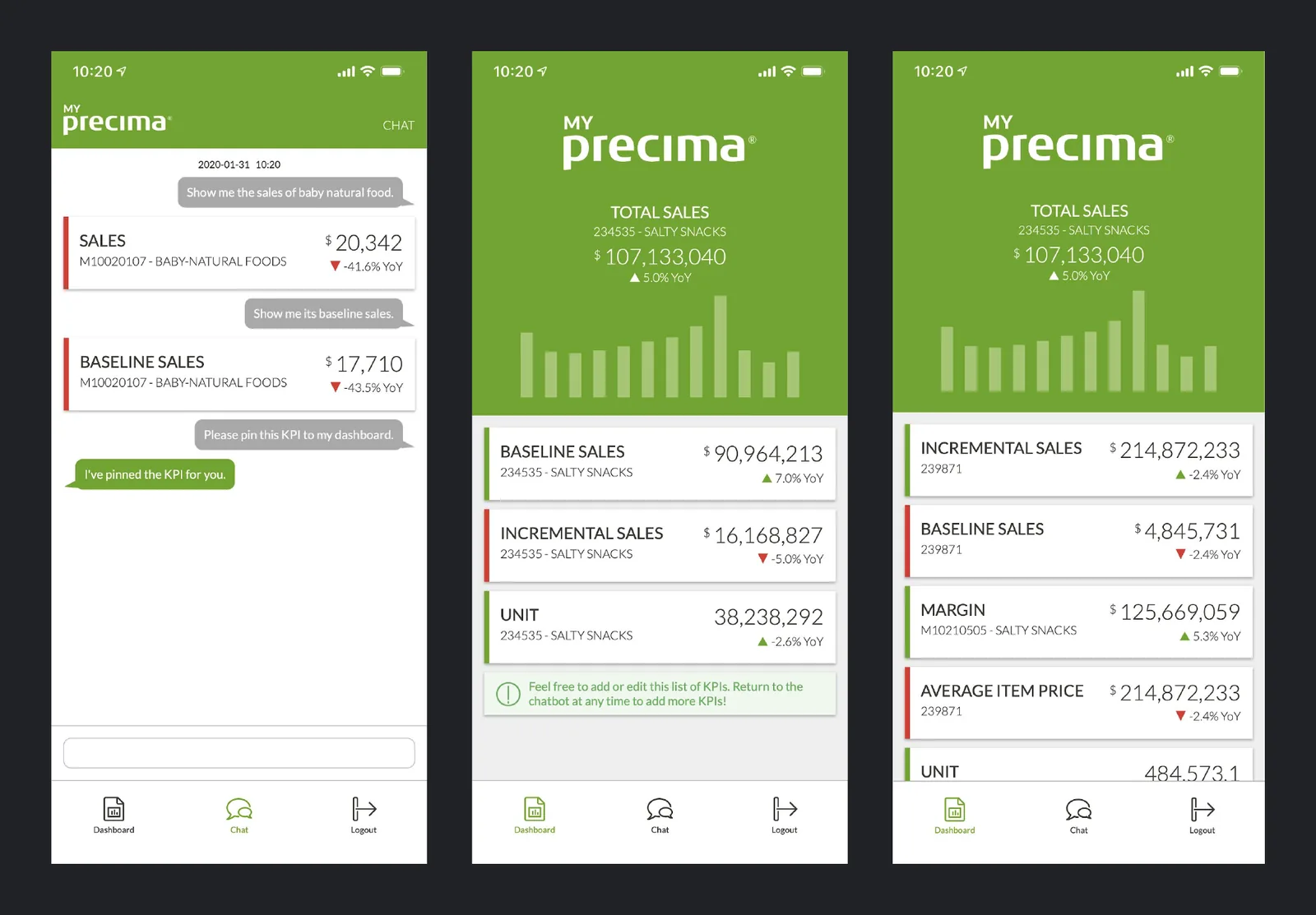
A phased path from descriptive analytics, to a conversational interface, to prescriptive and automated recommendations.
Why: “Tell me what the problem is and how I can solve it” was the real request. Each phase delivered value with the technology available then, and was built to grow as compute and data costs fell.